Garden care often means cutting branches to keep plants healthy and trees strong. Thick branches can block sunlight, crowd other plants, and make the yard look messy. Using the right tool makes the work easier, safer, and more precise.
You will learn about the most common tools for cutting branches and which ones work best for thick or hard-to-reach limbs. We also share simple tips to stay safe and keep your tools in good shape. Using these ideas makes it easier to keep your garden tidy throughout the year.
What Tool Is Best For Cutting Thick Branches?
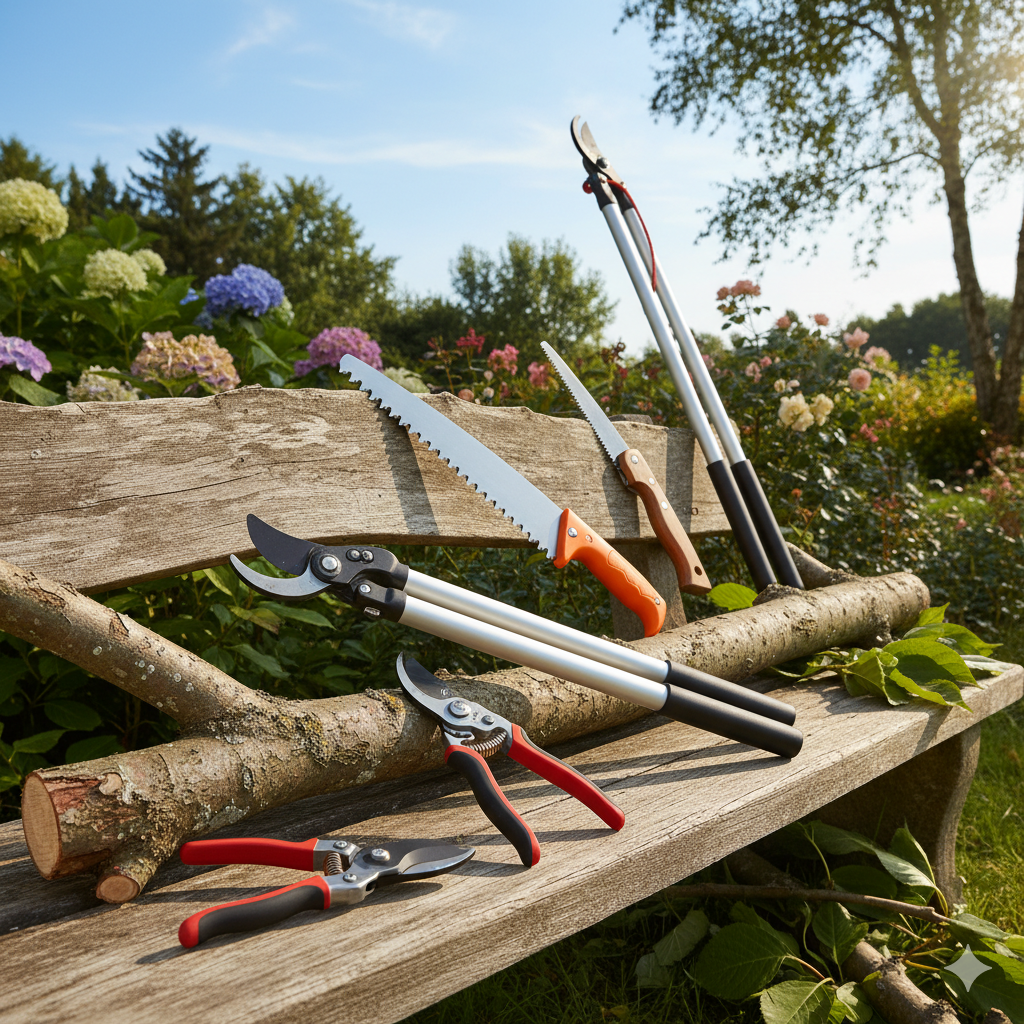
Hand Pruner
A hand pruner is perfect for small branches up to about one inch thick. A bypass pruner, like an 8-inch garden shear, makes clean cuts quickly without crushing the plant.
Using a dull pruner can harm the branch and make the tree more likely to get diseases or pests. Keeping the blades sharp helps your plants heal faster and keeps pruning simple.
Lopper
Loppers have long handles and strong bypass blades for branches around two inches thick. The long handles help you reach tricky spots and make neat, clean cuts.
Some loppers, like heavy-duty models, give extra cutting power. They are helpful for gardeners with weak grip, joint pain, or limited mobility, making pruning faster and less tiring.
Pruning Saw
Pruning saws work best for thick branches that are too large for pruners or loppers. Mature trees often have branches three inches or more in diameter.
The blade is narrower than a normal wood saw and sharp for long-lasting use. You cut by pushing and pulling, which makes slicing through large branches easier and quicker.
Telescopic Pruner
A telescopic pruner is like a lopper but with adjustable handles, letting you reach higher branches without a ladder. It handles branches about two inches thick at a distance.
Lightweight and ergonomic models make pruning easier on your hands and shoulders. A sharp bypass blade lets you make clean cuts quickly, which is especially useful if you trim trees often.
Rope Saw
A rope saw is a small, portable chain saw for branches at least five inches thick. You cut by pulling the chain back and forth, which lets you prune while standing on the ground.
The chain can reach high branches up to 25 feet, making it handy for tall trees. Because it folds down, it is easy to carry and store, earning the nickname “pocket chainsaw.”
Chainsaw
A chainsaw handles thick branches five inches or more in diameter. It is fast and powerful, letting you trim large trees in minutes.
Chainsaws require skill and safety gear. If you are inexperienced, it’s best to have a professional handle the cutting. Always check where branches will fall to prevent damage or injuries.
How Often Should Trees Be Pruned?
Young trees need pruning every two to three years. This helps them grow strong and shaped properly.Mature trees usually need pruning every three to five years. It keeps them healthy and removes weak branches.
Evergreens and fruit trees do not need regular pruning. Trim them if branches block paths or become a hazard.Late winter is the best time for most trees. Avoid spring and summer because warm weather spreads diseases faster.
The Importance of Cutting Back Thick Branches
Trimming thick branches keeps your garden safe. Dead or weak branches can fall and hurt people or damage property.Strong winds, storms, or snow can break branches. Cutting risky limbs lowers the chance of accidents.
Removing dead or diseased branches improves tree health. It stops pests and diseases from spreading to other plants.Pruning also lets sunlight reach thicker foliage. This helps leaves grow healthy and keeps the tree strong.
Regular trimming keeps trees neat and prevents uneven growth. It also helps smaller plants get enough light.
How to Choose the Right Tool for Your Garden?
Pick a tool that fits the branch size. Small branches need pruners. Medium ones need loppers.Check if the tool is comfortable in your hands. A tool that feels heavy or awkward can make pruning harder.
Use the right tool for the job. Don’t try to cut thick branches with a pruner meant for thin stems.Consider reach and height. Pole pruners or telescopic tools help trim high branches safely from the ground.
Keep your tools sharp and in good shape. Sharp blades make clean cuts and reduce effort.
How to Choose the Right Tool for Your Garden?
Start by thinking about your garden’s size and the type of work you need to do. Small tasks like weeding or planting need lighter tools, while digging or cutting thick branches needs stronger tools.
Pick tools made from strong materials. Stainless steel blades last longer, and ergonomic handles make them easier on your hands and arms. Comfortable tools let you work longer without strain.
Choose a tool designed for the task. For example, a spade is best for heavy digging, and a hula hoe works well for weeding between plants. Using the right tool saves time and keeps gardening easier.
Maintenance Tips for Garden Cutting Tools
Keep your tools clean and in good condition. Wipe off dirt and sap after each use to prevent rust and damage. Regular cleaning also helps your tools last longer.
Sharpen blades often to make clean cuts. Clean cuts help plants heal faster and reduce the risk of disease. A few minutes of maintenance every few days keeps pruners, shears, and loppers working well.
Clean Tools After Every Use
Wipe your tools after every use to remove dirt, sap, and moisture. This stops rust from forming and keeps them working well.
For minor rust, use a stiff brush or steel wool to scrub the surface. Sandpaper works if the rust is tougher. For larger rust patches, a hand drill with a brush attachment can help remove it quickly.
Once the tool is clean, wipe it dry with a towel. Proper cleaning makes pruning easier and protects your plants from disease.
Sharpen Blades Regularly for Smooth Cuts
Keep blades sharp to make clean, easy cuts. Dull blades crush branches, which can harm trees and shrubs.
Sharpen pruning tools every few weeks if used often. Less frequent use may only require sharpening two or three times a year. Regular sharpening saves effort and improves plant health.
Oil and Store Properly to Prevent Rust
Apply a light coat of oil to metal parts to stop moisture from causing rust. Wipe off any excess to avoid mess.
Store tools in a dry place. Low humidity and proper storage prevent corrosion and keep tools ready for the next use.
For extra protection, consider stainless steel tools, powder coating, or rust-resistant coatings when available. This makes maintenance easier and extends the tool’s life.
Conclusion
Regular pruning keeps trees strong, safe, and looking tidy. Using the right tools makes the work faster and easier. Clean, sharp tools cut better and last longer, while poorly maintained tools can make pruning harder and risk plant damage.
Pruning also lets sunlight reach leaves and nearby plants, keeping them healthy. A little effort now prevents bigger problems later and keeps your garden neat year-round.
H2: FAQs
H3: What is the best tool for cutting thick branches?
Use a pruning saw for thick branches. Loppers work for medium-thick ones, and hand pruners for thin stems.
H3: Can I use a hacksaw to cut tree branches?
A hacksaw works for small branches, but it is slower and less safe than a pruning saw.
H3: How often should I sharpen my pruning tools?
Sharpen blades every few weeks if used often. Less frequent use may need sharpening a few times per year.