
Introduction to Garden Tools
Learn how to choose the right garden tools for every task, from digging to pruning, and keep your garden thriving with essential tools.
Gardening tools make every task easier. Whether you’re a beginner or an expert, the right tools can help you do more in less time. Having the correct gear transforms a chore into a joy. A solid gardening tools list helps you plan your shed and budget effectively.
When you understand the different gardening tools and the specific uses of gardening tools, you can work smarter. Using garden tools for beginners ensures you don’t feel overwhelmed as you start your green journey. From keeping your soil healthy to ensuring your plants grow tall, your tools are your best friends in the yard.
H2: Why Choosing the Right Garden Tools is Important
Using the correct tools saves you time and effort. It also helps protect your plants and keeps your garden looking good. When you use the best garden tools for the job, you prevent injury to yourself and your greenery.
Tools for gardeners are designed with specific physics in mind. For example, garden tool selection matters because a sharp blade makes a clean cut that heals fast. Dull tools can tear stems and invite disease. Investing in gardening essentials that fit your hand size and strength is a key part of long-term success.
Types of Garden Tools and Their Uses
There are many categories of equipment. Each one has a job to do. Below is a breakdown of the most common tools you will find in a modern 2026 garden.
Digging and Soil Preparation Tools
 Soil is the foundation of your garden. You need the right soil preparation tools to turn the earth and prepare it for seeds.
-
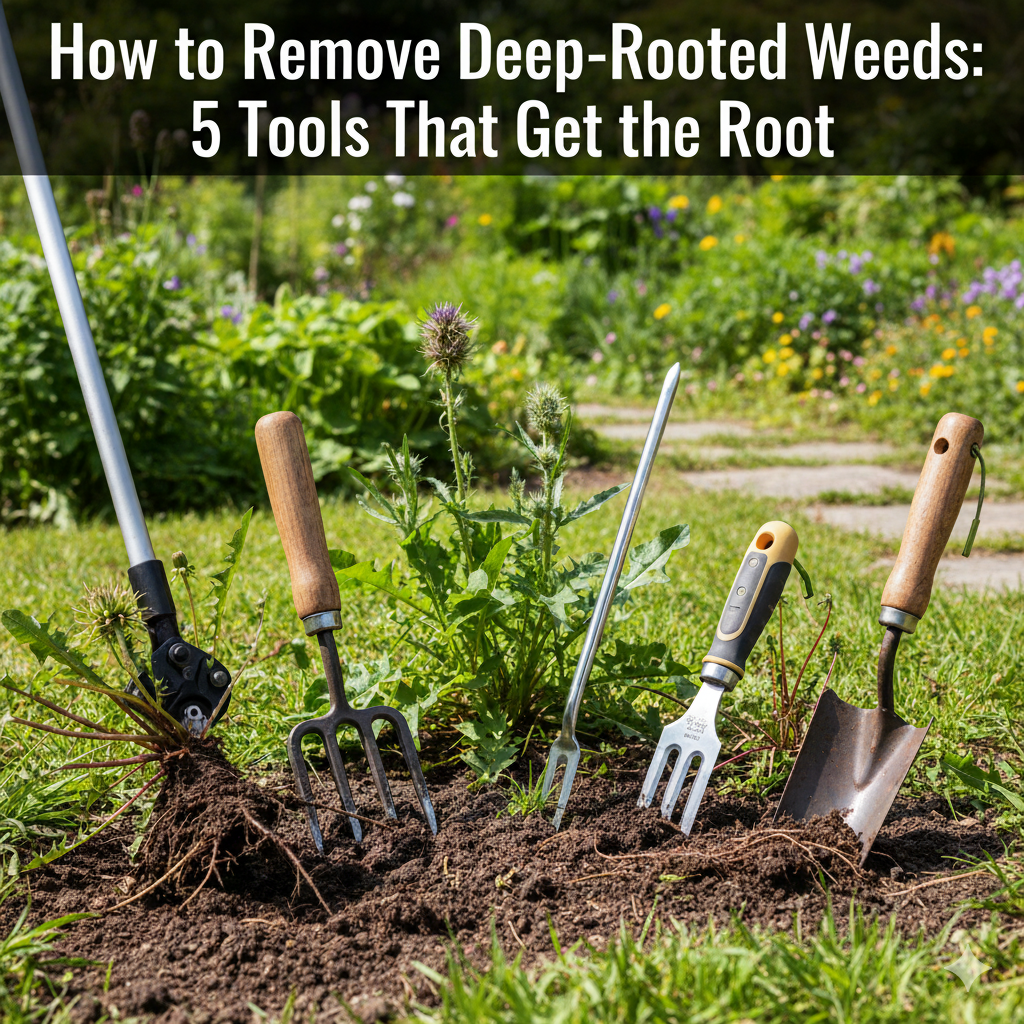
Hand Trowel: This is a small, handheld shovel. It is perfect for digging small holes and transplanting flowers into pots. A stainless steel blade is best for avoiding rust.
-
Spade: A spade has a flat, square blade. It is great for turning soil, edging your lawn, and cutting through tough roots.
-
Garden Fork: A fork has strong tines. It loosens soil and helps with aeration, allowing air and water to reach plant roots easily.
Cutting and Pruning Tools
Pruning is like giving your plants a haircut. It keeps them healthy and encourages new growth.
-
Pruning Shears: Also called garden pruners, these are best for trimming plants and cutting small, thin branches.
-
Loppers: These have long handles for extra leverage. They are ideal for thicker branches that are too tough for hand shears.
-
Pruning Saw: When a branch is too big for loppers, use a pruning saw. It is a must-have in any cutting tools collection for managing trees and large shrubs.
Watering Tools
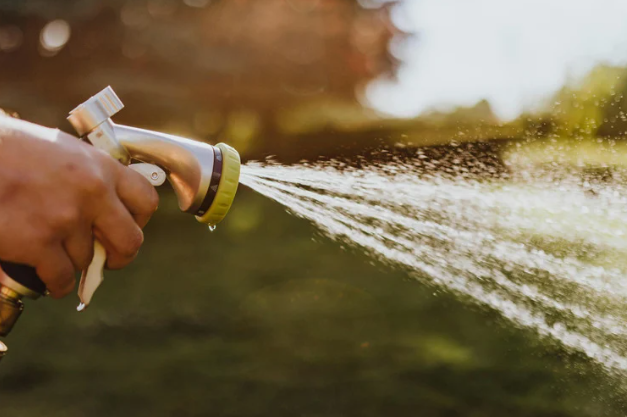 Plants need water to live, but how you give it to them matters. These irrigation tools help you get the job done right.
-
Watering Can: This is ideal for watering plants gently, especially seedlings that might wash away under a heavy hose spray.
-
Garden Hose: A garden hose is useful for watering large areas quickly. Look for one that is kink-resistant.
-
Sprinkler System: Sprinklers are perfect for even watering over large lawns or vegetable patches without you having to stand there and hold a hose.
Cultivating and Weeding Tools
Weeds steal nutrients from your plants. You need effective weed removal tools to keep your garden clean.
-
Hoe: A garden hoe lets you chop weeds at the surface. It loosens soil and removes weeds efficiently over large beds.
-
Weeding Fork: This small tool is great for digging out stubborn weeds with deep taproots, like dandelions.
-
Japanese Weeding Sickle: This is a special tool for cutting through tough weeds and grass in tight spaces. It is a favorite among pro gardeners.
Maintenance and Cleanup Tools
 A clean garden is a healthy garden. These yard tools help you keep things tidy.
-
Garden Rake: A rake is useful for collecting leaves and smoothing soil before you plant your seeds.
-
Wheelbarrow: This helps in transporting plants, soil, or tools around your yard. It saves your back from heavy lifting.
-
Hand Cultivator: A cultivator looks like a small claw. It helps break up soil and mix in fertilizer for better planting results.
Specialized Gardening Tools
Some tasks need specialized tools. If you have a large property, you may need power equipment. Lawn mowers keep the grass at the right height. Tillers are used to turn over large areas of soil very quickly.
Other high-tech options include garden blowers for clearing debris and soil testers. A soil tester tells you exactly what nutrients your dirt is missing. Using these advanced garden tools ensures your garden grows to its full potential.
How to Choose the Right Gardening Tool
When buying gardening tools, you should consider your garden’s size and the types of plants you grow. How to choose gardening tools depends on your own comfort. Pick tools that feel light but sturdy.
Look for best tools for garden work that feature “D-handles” or soft grips. These are ergonomic gardening tools that help prevent blisters. Always check that the metal is high-quality, like carbon or stainless steel, so the tool lasts for years.
Maintaining Your Gardening Tools
Good tool care saves you money. You must maintain your gardening tools by keeping them clean and dry. This helps you avoid rust.
Cleaning gardening tools is simple: just wipe them down after every use. You should also sharpen blades on your shears and spades at least once a year. This ensures efficiency and makes your work much easier. Store your tools in a dry shed or garage to keep them in top shape.
Garden Tool Safety Tips
Safety comes first in the garden. Always wear gardening gloves and other protective gear like eye protection when using power tools. Gardening safety also means being aware of your surroundings.
Follow these tool safety tips: never leave sharp tools lying on the ground where someone can step on them. Keep your gardening tools stored properly on a rack or in a box. This avoids accidents and keeps your workspace organized and safe.
FAQs
What are the best gardening tools for beginners?
If you are just starting, you only need a few beginner gardening tools. A hand trowel, pruning shears, and a watering can are the most essential garden equipment. These starting garden tools will allow you to do almost everything in a small flower or vegetable bed.
What are the 9 gardening tools?
The 9 essential gardening tools include a trowel, hand fork, rake, spade, hoe, pruning shears, watering can, wheelbarrow, and gloves. These tools help with digging, planting, cutting, and maintaining a healthy garden.
What are basic gardening tools?
Basic gardening tools typically include a trowel, pruners, rake, spade, and watering can. These tools cover most general gardening tasks like planting, weeding, and watering.
What are the most useful garden tools?
The most useful garden tools depend on the tasks, but a hand trowel, pruning shears, spade, rake, and watering can are essential for most gardeners. They help with planting, trimming, soil preparation, and watering.
What is the 70 30 rule in gardening?
The 70/30 rule in gardening refers to 70% of gardening success coming from proper planning, soil, and environment, while 30% comes from plant care and maintenance. It emphasizes the importance of a solid foundation.
How do I take care of my gardening tools?
Good gardening tool care involves three steps: clean, sharpen, and store. Use a brush to remove dirt. Use a stone for sharpening gardening tools. Finally, store them in a dry place. This simple tool maintenance keeps your gear ready for any task.