
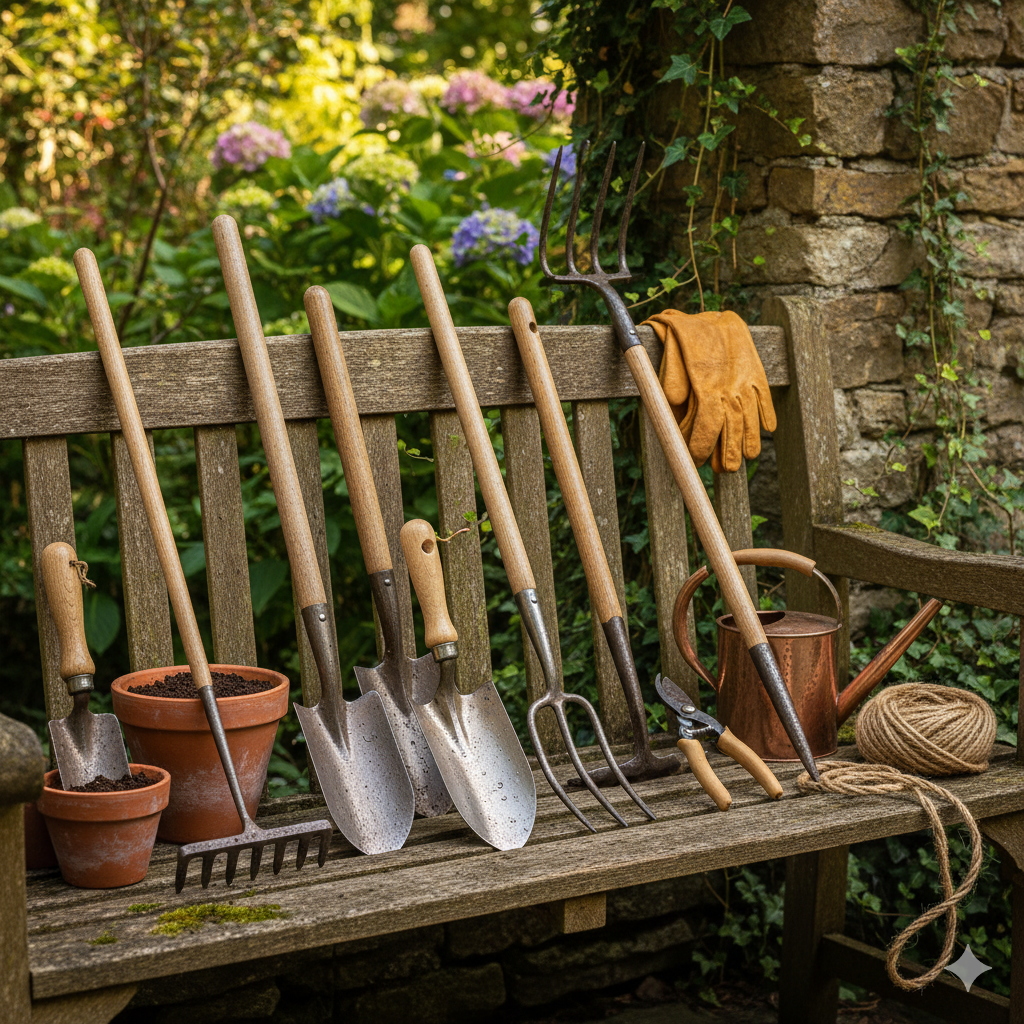
Garden work becomes easier with strong, reliable tools. Wooden-handled tools give a firm grip.
They stay comfortable during digging, planting, or pruning. Plastic or metal handles can feel cold or slippery.
Wooden handles hold their balance and feel natural in the hand. They reduce fatigue and make work smoother.
Some people choose modern materials for strength. Wooden handles stay popular because they provide comfort and last long.
This article explains the benefits of wooden handles, the types available, best woods, and simple care tips.
Benefits of Wooden Handles in Garden Tools
Wood handles fit comfortably in the hand. They give a steady grip and reduce fatigue.
Long tasks like digging or pruning feel easier. Hands and wrists stay relaxed while working.
Wood comes from renewable sources. Choosing wooden handles reduces plastic waste. They can be repaired or reused when worn.
Wooden handles also look and feel natural. They add a warm, simple touch to the garden. Many gardeners prefer them over metal or plastic tools.
Natural Grip and Comfort
Wood handles fit well in the hand. They give a firm, steady grip.
Using them for digging, pruning, or planting feels easier.
The wood absorbs small shocks, making wrists and fingers feel less tired.
Eco-Friendly and Sustainable Choice
Wood comes from renewable sources and has a low impact on nature.
Choosing wooden handles reduces plastic waste and supports simple, lasting products.
Old or worn handles can often be repaired or recycled.
Aesthetic and Traditional Appeal
Wooden handles look natural and warm in any garden.
They have a simple, familiar style that many gardeners enjoy.
Compared to plastic or metal, wood feels more personal and inviting to use.
Types of Garden Tools with Wooden Handles
Hand Tools
Hand tools include items like trowels, hand forks, and weeders.
Wood handles fit the hand well, making small tasks easier and more precise.
They stay comfortable even during long planting or weeding sessions.
Cutting Tools
Cutting tools include pruning shears, hedge clippers, and loppers.
Wood handles absorb shock and reduce strain on your hands.
They give a steady grip, which helps you make cleaner, safer cuts.
Digging and Lifting Tools
This group includes spades, shovels, hoes, and rakes.
Sturdy wooden handles help lift soil and heavy loads without bending.
The balance of wood handles makes digging smoother and more controlled.
Best Woods Used for Tool Handles
Choosing the right wood affects how a tool feels and lasts. Ash, hickory, oak, and beech are popular for garden tools. Each type has unique strength, balance, and comfort. Picking the right wood ensures your tools work well and feel natural in the hand.
Ash Wood
Ash is strong, flexible, and lightweight. It absorbs shocks, making it ideal for tools used for long periods. Gardeners like ash because it balances strength with comfort. Tools with ash handles feel steady and reduce fatigue during digging or pruning.
Hickory Wood
Hickory handles resist impact and bending. They are perfect for hammers, axes, and heavy digging tools. Hickory lasts long even with frequent, tough use. Its natural strength and slight flexibility make it a reliable choice for demanding garden tasks.
Oak and Beech
Oak and beech are sturdy and durable. They are common in traditional European-style garden tools. These woods hold up well under heavy use for years. Tools made from oak or beech offer a classic look and a solid, comfortable grip.
Maintenance Tips for Wooden-Handled Tools
Proper care keeps wooden handles strong and safe. Small daily habits can prevent cracks, splits, or wear. Simple maintenance extends the life of your tools and improves comfort while working.
Cleaning and Drying
Remove dirt and debris after each use. Wet or muddy handles can rot or crack if left unattended. A quick cleaning routine and proper drying help tools last longer and stay safe.
Oiling and Polishing
Apply linseed oil to wooden handles to prevent drying and splitting. Oiling keeps the wood smooth and comfortable. Doing this regularly, especially during dry seasons, preserves the handle for many years.
Repair and Replacement
Check handles for cracks or loose heads before use. Small cracks can be sanded or glued. Replace any handle that is broken or unsafe to ensure reliable and safe gardening.
Top Brands and Recommended Products
Some brands are known for quality wooden-handled tools. Fiskars, Spear & Jackson, and Bulldog make tools that last and feel comfortable in hand.
When buying, check the handle’s finish, joint strength, and warranty. A good brand gives smooth, strong handles that stand up to daily work. Choosing the right brand reduces frustration and ensures a better gardening experience.
Safety Tips When Using Wooden-Handled Tools
Always inspect handles for cracks or splinters before use. A small defect can cause accidents during heavy tasks.
Hold tools firmly and maintain proper posture to avoid strain. Store tools safely to prevent injuries and keep handles in good condition. Consistent care and safe handling make garden work easier and safer.
Conclusion
Wooden-handled garden tools offer comfort, balance, and strength. They reduce fatigue and make gardening more enjoyable.
With simple care like cleaning, oiling, and safe storage, these tools can last many years. Choosing quality wood and maintaining it ensures your tools remain reliable and safe for daily work.
FAQs About Garden Tools with Wooden Handles
Q1. Are wooden-handled garden tools better than fiberglass ones?
Wood handles feel more comfortable and give a natural grip. Fiberglass can resist weather better.
Q2. How do I prevent my wooden handles from cracking?
Keep handles dry and apply linseed oil regularly to maintain strength.
Q3. Which wood is best for garden tool handles?
Ash and hickory are strong, flexible, and long-lasting choices.
Q4. Can I replace a broken wooden handle myself?
Yes. Many stores sell replacement handles and DIY repair kits.
Q5. How long do wooden-handled tools last?
With care and regular oiling, they can last 10–20 years or more.