
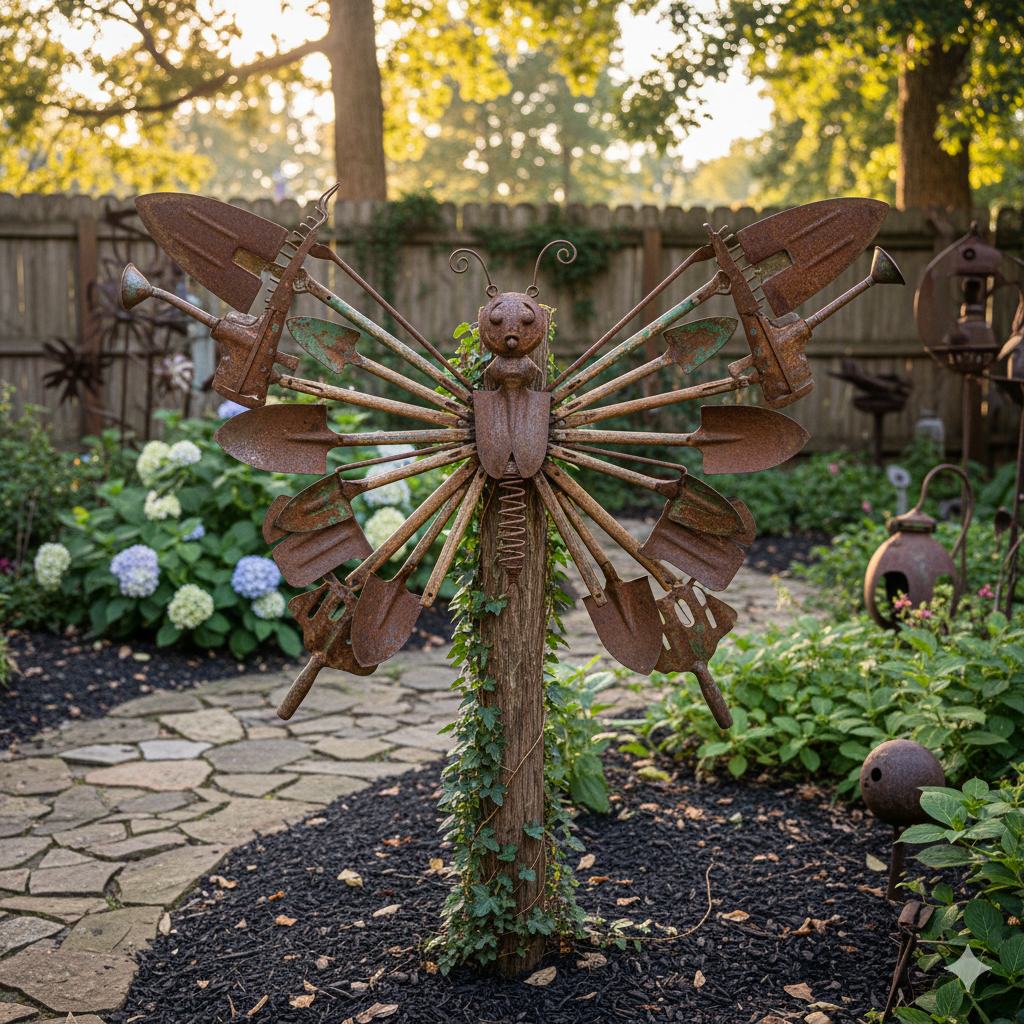
You can turn old garden tools into creative yard art by cleaning them, repurposing them, and placing them thoughtfully in your garden. With a little imagination, tools like shovels, rakes, or wrenches can become rustic planters, fun sculptures, or decorative displays that add personality and charm to your outdoor space.
I work with many Yard art tools for my projects. The right ones take care of the slow parts, like shaping, cutting, and small fixes. They let me focus more on doing the job well instead of spending long hours on small steps.
Why Repurpose Old Garden Tools
Using old tools for yard art gives you several benefits.
-
Environmental Benefits
-
Repurposing old tools keeps metal out of landfills.
-
Recycling materials helps protect the environment.
-
-
Aesthetic Benefits
-
Rust and wear on old tools give them a vintage, rustic look.
-
This natural patina creates charm that new tools can’t match.
-
-
Emotional Value
-
Tools passed down from family or friends carry memories.
-
Turning them into art preserves their story while giving them a new purpose.
-
-
Practicality
-
Metal tools are strong and weather-resistant.
-
They provide a sturdy base for sculptures, planters, or trellises.
-
Common Tools to Use:
-
Shovels
-
Rakes
-
Pitchforks
-
Wheelbarrows
-
Spades
-
Wrenches
-
Faucet handles
-
Old pipes or rods
-
Bottle caps
These tools are ideal because they already have shapes that lend themselves to creative projects.
Yard Art Ideas Using Old Garden Tools
1. Make Rustic Animal Sculptures
Old tools can become quirky animals like birds, cats, owls, frogs, or even insects.
Materials Needed:
-
Shovels (for bodies)
-
Rakes (for tails or legs)
-
Wrenches or springs (for eyes, antennae, or small features)
Steps:
-
Clean the tools and remove loose rust.
-
Weld or bolt pieces together.
-
Paint selectively or leave the metal natural to keep the rustic look.
Tips:
-
If you don’t know welding, you can use strong adhesives for smaller parts.
-
Place sculptures in visible areas like garden corners or near paths.
Why It Works:
-
Adds personality and whimsy to your garden.
-
Creates a focal point that visitors notice.
2. Turn Tools Into Decorative Planters
Shovels, wheelbarrows, or even old watering cans make excellent planters.
Materials Needed:
-
Shovel blades, wheelbarrows, buckets, or watering cans
-
Soil
-
Plants (succulents, herbs, or flowers)
Steps:
-
Clean the tool and drill drainage holes if necessary.
-
Fill with soil and choose plants.
-
Place the planter in a visible spot, like a patio, pathway, or garden bed.
Variations:
-
Stack old pans or buckets for vertical planters.
-
Use a wheelbarrow for a large flower display.
Why It Works:
-
Combines art and function.
-
Reuses tools that would otherwise sit unused.
3. Build Trellises and Plant Supports
Long-handled tools like rakes and pitchforks make excellent supports for climbing plants.
Steps:
-
Clean the tools and remove loose rust.
-
Invert or arrange them to form a frame for vines or beans.
-
Secure with stakes or attach to the ground.
-
Train climbing plants to grow around the structure.
Extra Ideas:
-
Weld old bike gears, barrel rings, or rods to make decorative trellises.
-
Use multiple trellises to create a vertical garden.
Why It Works:
-
Adds height and dimension to your garden.
-
Combines functionality with visual appeal.
4. Create Wall or Fence Displays
Old garden tools can decorate fences, walls, or sheds.
Steps:
-
Clean and polish tools lightly.
-
Arrange them in patterns or abstract designs.
-
Mount them securely with screws or brackets.
Tips:
-
Mix different shapes and sizes for variety.
-
Combine metal with wood, glass, or ceramics to add contrast.
Why It Works:
-
Makes a rustic, artistic feature from tools that are otherwise forgotten.
-
Adds personality without taking up garden floor space.
5. Make Metal Flowers
You can create everlasting flowers using old wrenches, faucet handles, or bottle caps.
Materials Needed:
-
Bottle caps, wrenches, faucet handles, copper sheets
-
Metal rods or old stakes
Steps:
-
Shape petals and flower centers from metal.
-
Attach petals to rods or stakes using bolts or welding.
-
Paint if desired or leave natural metal finish.
-
Plant in flower beds, planters, or along garden borders.
Why It Works:
-
Adds color and whimsy year-round.
-
Stands out even when real flowers are not in bloom.
Tips to Make Your Yard Art Stand Out
-
Embrace Rust: Rust adds character, so don’t over-polish unless you want a smooth finish.
-
Safety First: Wear gloves, goggles, and a mask when cutting, welding, or sanding metal.
-
Placement:
-
Use paths or garden entrances.
-
Place near seating areas.
-
Add contrasting backgrounds to make pieces pop.
-
-
Mix Materials: Combine metals with wood, glass, or ceramics for a richer look.
-
Add Lighting: Solar or LED lights make sculptures visible at night.
Tools & Materials Checklist
Essential Tools:
-
Gloves and goggles
-
Sandpaper or wire brush
-
Metal cutting tools
-
Welding kit or bolts
-
Mounting brackets or stakes
-
Paint or protective coating (optional)
Optional Supplies:
-
Soil and plants for planters
-
Rods or stakes for flowers
-
Additional decorative materials like wood or glass
Beginner-Friendly Project: DIY Metal Flower
Steps:
-
Choose old faucet handles, wrenches, or bottle caps.
-
Clean them and remove rust flakes.
-
Shape petals and flower centers.
-
Attach petals to a rod or stake with bolts or welding.
-
Place flowers in soil, planters, or along borders.
Tips:
-
Cluster multiple flowers for a bigger visual impact.
-
Paint flowers if you want bright colors, or leave them natural for rustic charm.
Care & Maintenance
-
Inspect yearly for rust or loose bolts.
-
Sand and seal exposed metal to prevent excessive corrosion.
-
Ensure planters have proper drainage.
-
Keep sharp edges away from children or pets.
Real-Life Inspiration
-
Wheelbarrow planters full of flowers.
-
Shovel-blade art mounted on garden sheds.
-
Tool fences arranged in patterns.
-
Climbing vines growing around repurposed pitchfork trellises.
These examples show that old tools can be turned into art that is functional, creative, and visually striking.
Final Thoughts
Repurposing old garden tools is:
-
Eco-Friendly: Reduces waste and promotes sustainability.
-
Creative: Adds unique style to your garden.
-
Cost-Effective: Reuses materials you already have.
Start small with a metal flower or shovel bird, then expand into larger sculptures or displays. With imagination and careful placement, your old tools can tell a story, enhance your garden’s charm, and provide lasting decorative value.