
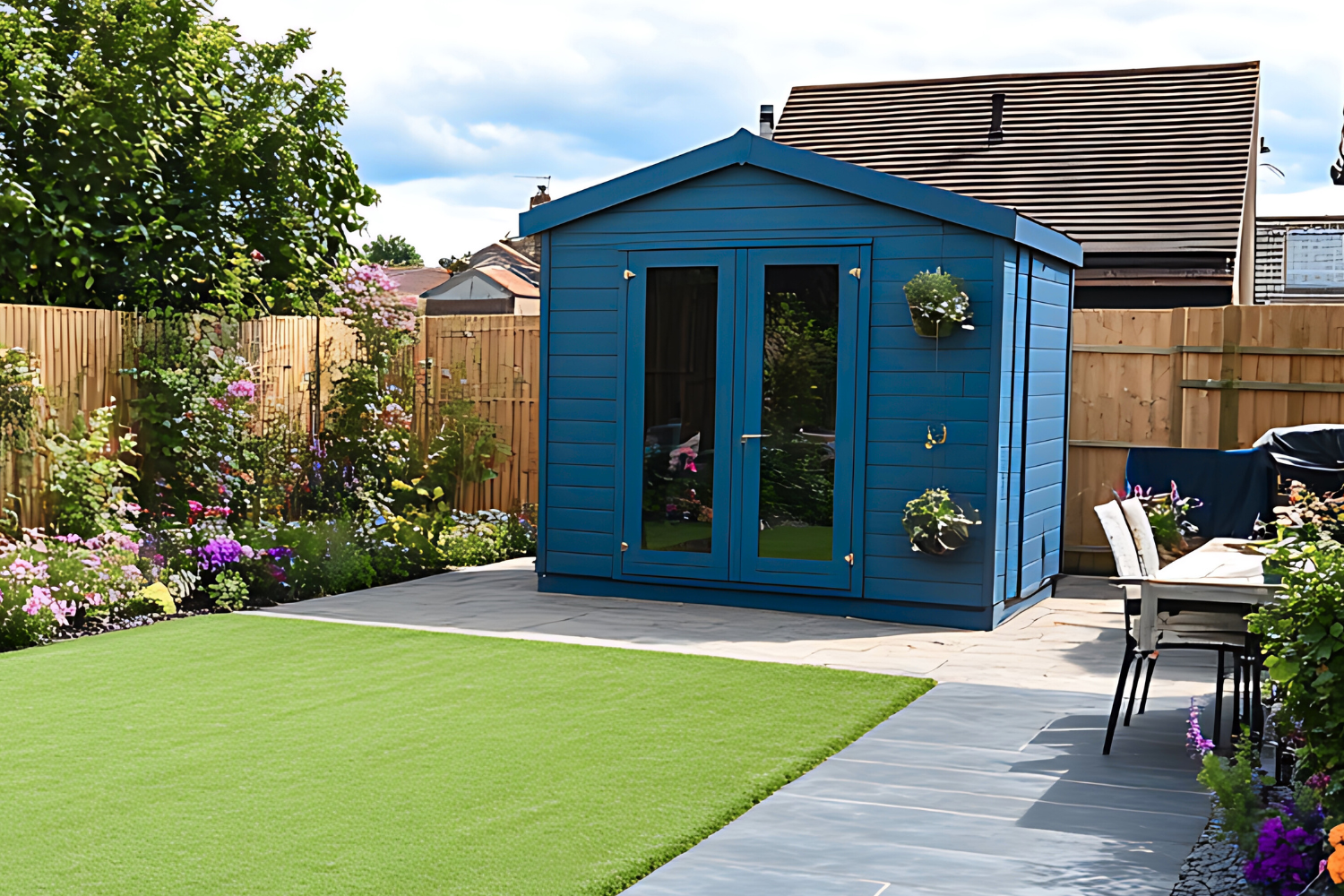
Most homeowners can build a garden shed without planning permission as long as it stays within certain size, height, and placement limits. Typical rules allow a shed that:
-
Is single‑storey only
-
Does not exceed set height limits depending on how close it is to a boundary
-
Does not cover more than half of the garden area
-
Is used for normal garden storage or incidental domestic use
I use garden shed almost every week, and they help me finish tasks faster. Good tools cut the guesswork and make my work cleaner. I still trust real practice the most, but the right tools save time and keep my results steady.
These “permitted development” rules mean you often do not need planning permission — but stepping over one of these limits can trigger a requirement for formal approval. https://garden-shed.uk/+1
This article explains all the conditions, exceptions, and steps you must follow to confidently build without permission.
What “without planning permission” means
When we talk about not needing planning permission, we’re referring to rules called permitted development rights in many countries — especially in the UK and similar planning systems. These rights allow property owners to put up garden outbuildings without a formal application if certain criteria are met. https://garden-shed.uk/
Planning permission may still be needed if:
-
You’re in a designated area (National Park, Conservation Area, AONB, etc.)
-
Your property is listed or has special zoning
-
You plan to use the shed as living space or install utilities like plumbing
-
You exceed one or more of the standard size/placement rules
If you aren’t sure whether your property has special restrictions, contact your local planning authority before building.
Maximum size and height limits
Standard height limits
A shed built without planning permission must meet these height standards:
-
Within 2 metres of a boundary: no more than 2.5 metres high
-
More than 2 metres from a boundary:
-
Up to 4 metres high with a dual‑pitched roof
-
Up to 3 metres high with other roof types (flat or mono‑pitch)
-
-
Eaves (lower roof edge) must generally stay under 2.5 metres regardless of roof type https://garden-shed.uk/+1
These rules are common in the UK and widely reflected by planning guides and retailers. https://garden-shed.uk/
Example Table:
| Distance from Boundary | Roof Type | Max Height | Notes |
|---|---|---|---|
| ≤ 2 m | Any | 2.5 m | Standard limit near boundary |
| > 2 m | Dual-pitched | 4 m | Max allowed height |
| > 2 m | Mono/Flat | 3 m | Max allowed height |
Why height matters: Trees, fences, houses, and slopes can make height measurements tricky — always measure from ground level to the highest point of the structure.
Footprint and overall size rules
Garden coverage
A garden shed and all other outbuildings together must not cover more than 50% of your total garden area. HomeGrower
Example:
If your garden is 100 square metres, all sheds, greenhouses, offices, etc. must together occupy less than 50 square metres.
This prevents over‑development of back gardens and protects space for drainage, planting, and neighbour amenity.
Floor area guidance (UK example)
While the planning rules don’t always list a specific maximum floor area, common guidance many councils use is:
-
Up to ~15 m² is widely accepted as within permitted development when other conditions are met
-
Buildings between 15–30 m² can still be permitted if they meet height and boundary rules
-
Over 30 m² often needs planning permission or building regulation approval Garden Buildings Direct+1
This guide reflects general permitted development practices, but local councils may have variations — always check local rules.
Placement rules that matter
Distance to boundaries
-
If your shed is more than 2 m away from boundaries, you may use the higher height limits listed above.
-
If it’s within 2 m of a boundary, height is capped at 2.5 m. https://garden-shed.uk/
Not forward of the “principal elevation”
Your shed usually must be located behind the main front wall of your house. Sheds in front gardens often need permission. HomeGrower
Not in front gardens or street‑facing areas
If your shed extends in front of your house line facing a road, it may require planning permission regardless of size.
Function and use limitations
Even if your shed meets size and placement rules, how you use it can affect permission requirements:
-
Normal storage, tools, bikes, garden supplies: generally OK
-
Home office or hobby room: usually OK if no mains utilities installed and size/placement rules met
-
Bathrooms, kitchens, plumbing connections: often trigger planning requirements
-
Permanent living space: almost always needs full planning permission
Utilities like electricity alone don’t always need planning permission, but incorporating plumbing or heating systems may require both planning and building regulations approvals.
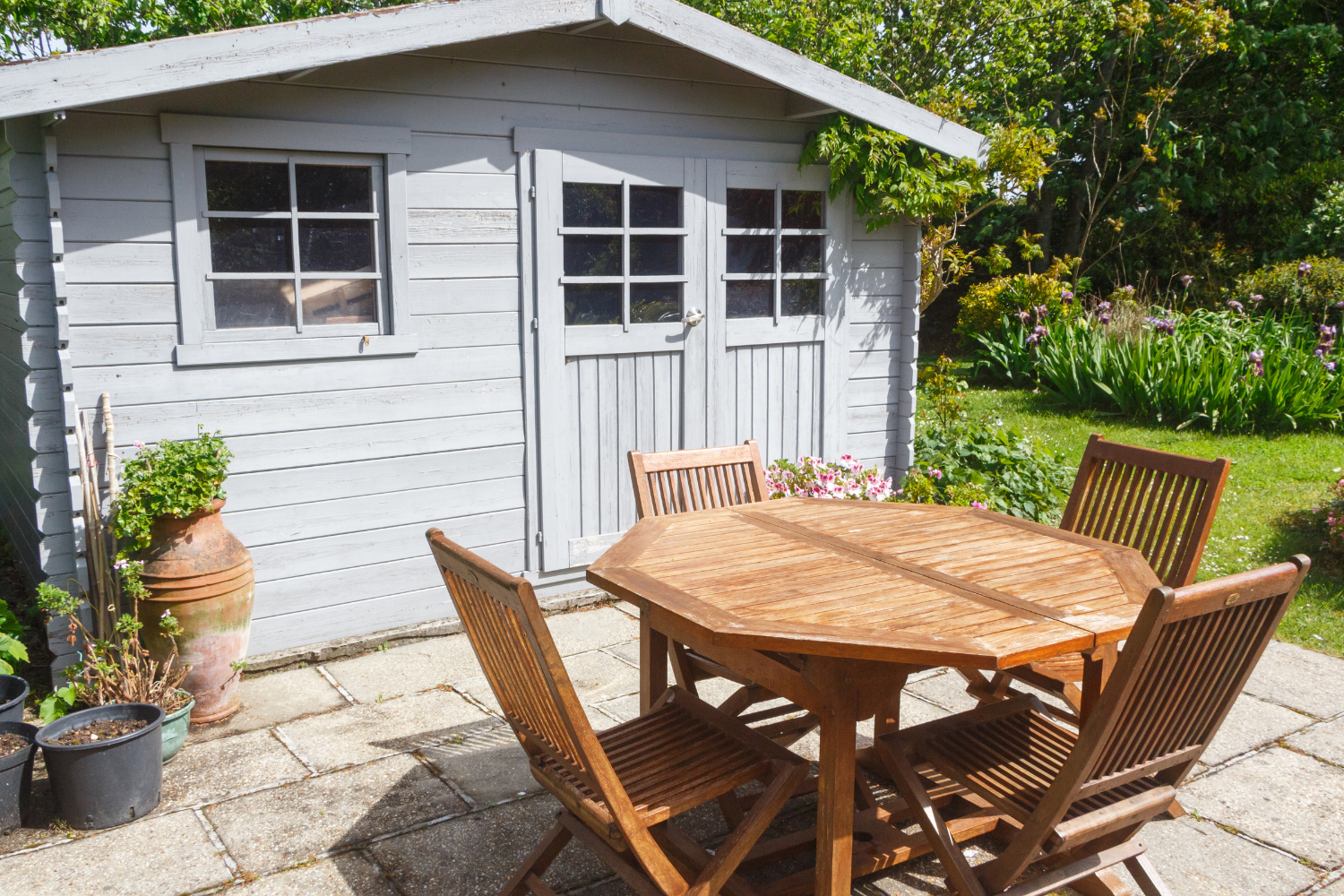
Exceptions where permission is needed
You will likely need to apply for planning permission in these cases:
-
Your property is within a Conservation Area, National Park, or Area of Outstanding Natural Beauty
-
The shed is forward of your home’s principal elevation
-
The combined footprint of all outbuildings exceeds 50% of your garden
-
The building has sleeping accommodation or is designed as living quarters
-
You intend to change the appearance in a way that affects the street or heritage context
In these cases, local planning authorities can guide you on whether a Lawful Development Certificate is needed to confirm your design meets permitted development criteria.
Step‑by‑step: calculating compliant shed size
1. Measure your garden area
Calculate the total garden (excluding house footprint). Determine 50% of this for coverage limits.
2. Decide placement relative to boundaries
Mark distances to neighbour boundaries. If within 2 m of any boundary, your height limit drops to 2.5 m.
3. Choose roof type
Dual‑pitched roofs allow up to 4 m away from boundaries.
4. Check local rules
Some councils may impose stricter controls, especially in conservation or heritage areas. Contact local planning authority or use planning portal tools.
Common myths and mistakes
-
Myth: “Any shed under 200 sq. ft. doesn’t need permission.”
This isn’t always true — height, placement, and other factors matter more than raw footprint in many planning systems. -
Mistake: Ignoring boundary height conditions.
Even a small shed might need planning permission if it’s too tall and too close to a fence. -
Mistake: Forgetting coverage limits.
Multiple smaller sheds add up; if total coverage passes 50% of the garden, permission may be required. -
Myth: “Private negotiations with neighbours replace planning rules.”
While neighbour consent helps socially, it doesn’t change planning law — local authorities decide legal requirements.
Practical design tips
To maximize usable space without needing permission:
-
Use a flat or mono‑pitch roof near boundaries to stay within 2.5 m height limit.
-
Place taller storage functions farther from the boundary so you can use higher limits up to 4 m.
-
Cluster outbuildings in one garden zone to optimize overall coverage.
-
Build modular or demountable structures if you want flexibility or future relocation.
FAQs (quick answers)
Do I need planning permission for a shed in my garden?
If it meets all permitted development criteria (height, placement, coverage, use), you normally do not need planning permission. Check local rules first.
How tall can a shed be without permission?
Up to 2.5 m if within 2 m of a boundary; up to 4 m with a dual‑pitched roof if farther away. https://garden-shed.uk/
Can I install electricity?
Electricity alone usually doesn’t trigger planning permission, but plumbing or heating systems might require building regulations compliance.
What if my house is in a conservation area?
Stricter rules often apply; smaller size limits or full planning permission may be required.
Final takeaway
You can normally build a garden shed without planning permission if you follow standard permitted development rules for height, placement, coverage, and use. These rules are designed to balance homeowner flexibility with neighbourhood amenity and safety. Always check with your local planning authority or official planning portal before construction to avoid unintended legal issues.