Gardening is a fun and rewarding hobby, but the right tools are essential for success. Whether you’re growing flowers, vegetables, or just maintaining your garden, the right equipment makes gardening easier and more efficient.
In this post, we’ll share the must-have gardening tools for every gardener. We’ll explain what each tool does and how it helps keep your garden healthy. By the end, you’ll know exactly which tools are worth investing in.
Essential Gardening Tools for Beginners
If you’re new to gardening, it might seem overwhelming with all the different tools available. However, you don’t need to buy everything at once. There are a few basic tools that will get you started on the right foot.
1.1. Hand Trowel
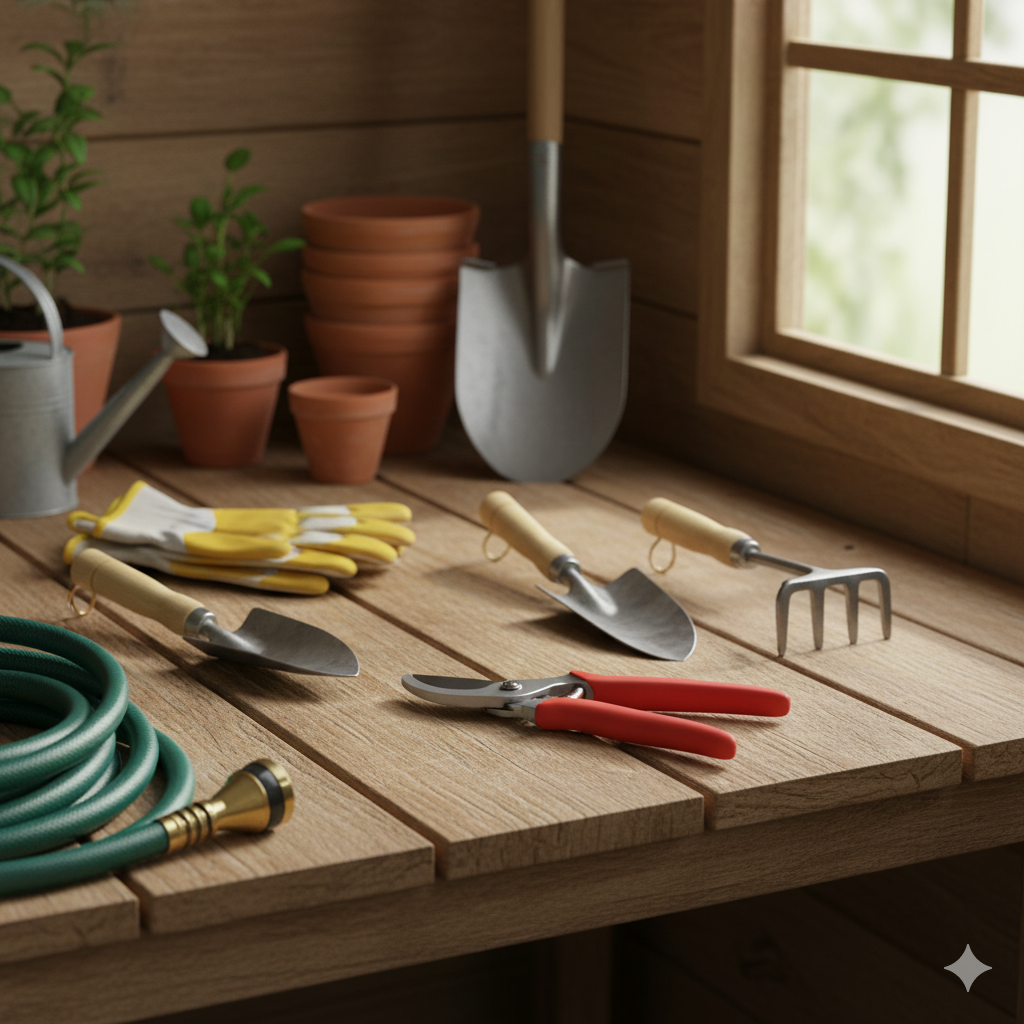
A hand trowel is one of the most important tools for gardening. It’s a small, handheld tool with a pointed metal blade. You use it for digging, planting, and moving soil. This tool is essential for tasks like planting flowers, herbs, or small vegetables.
The hand trowel is easy to use, and its small size makes it perfect for digging in tight spaces. You can also use it to mix soil and compost in your garden beds. It’s a must-have for every gardener, whether you’re working with flower beds or vegetable plots.
1.2. Garden Gloves
Garden gloves are another essential tool for gardening. They protect your hands from dirt, sharp objects, and thorns. They also help prevent blisters when you’re working with your tools for long periods.
Choose gloves that fit well and are comfortable to wear. Make sure they are durable enough to handle tough gardening tasks like pulling weeds or handling rough plants. Gardening gloves also protect you from potential toxins in plants, like poison ivy.
1.3. Pruning Shears
Pruning shears, also known as garden scissors, are used for cutting branches, stems, and leaves. They’re essential for keeping your plants healthy and tidy. Regular pruning helps plants grow better by removing dead or damaged parts.
You can use pruning shears to cut back bushes, trim flowers, or even remove old fruit from trees. A good pair of pruning shears can make these tasks much easier and more precise, which is why they are a must-have in your garden toolkit.
1.4. Watering Can or Hose
Watering your plants is one of the most important aspects of gardening. A watering can is perfect for smaller gardens, while a hose is better for larger areas. Both tools allow you to water your plants efficiently without over-watering them.
If you have a small garden or indoor plants, a watering can with a long spout will help you reach all your plants. For larger gardens, a hose with a spray nozzle is better for watering plants evenly.
1.5. Garden Rake
A garden rake is useful for gathering leaves, grass, and other garden debris. It’s also helpful for leveling soil, spreading mulch, or breaking up clumps of dirt. Whether you’re cleaning up fallen leaves in the autumn or leveling your garden bed in the spring, a rake will help you complete these tasks efficiently.
A rake is not just for cleaning—it also helps improve the texture of your soil, making it easier to plant and grow crops.
Tools for Soil Preparation and Planting
Once you’ve got your basic gardening tools, it’s time to start thinking about tools for preparing your soil and planting your garden. These tools help you create the right environment for your plants to grow strong and healthy.
2.1. Garden Fork
A garden fork is another important tool for soil preparation. It has several sharp metal tines and is used for loosening soil, breaking up clumps, and turning compost. It is especially useful for aerating the soil and making it easier for roots to grow.
When you need to turn your garden’s soil in preparation for planting, a garden fork is the perfect tool to do the job. It can also be used to remove weeds and mix in compost or organic matter.
2.2. Hoe
A hoe is a tool used for weeding and cultivating the soil. It has a long handle with a flat blade that you use to break up soil, remove weeds, and create furrows for planting seeds. The hoe is particularly useful in larger garden beds, where weeds can quickly take over.
When you need to clear a large area of weeds or prepare the soil for planting, the hoe is your go-to tool. It makes the task easier and faster compared to doing it by hand.
2.3. Garden Trowel
A garden trowel is similar to a hand trowel but is typically larger. It’s ideal for digging deeper holes or moving larger amounts of soil. If you need to transplant plants or dig deeper for bulbs, a garden trowel is the tool to use.
The garden trowel allows you to dig with more control and precision, making it easier to plant large plants or flower bulbs.
2.4. Wheelbarrow
A wheelbarrow may not be something you use on a daily basis, but it’s an essential tool for moving large amounts of dirt, mulch, plants, or garden debris. It makes transporting heavy or bulky items much easier.
Whether you’re moving bags of soil, compost, or plants, a wheelbarrow can help you save time and energy. It’s especially useful if you have a large garden or are working on heavy tasks like garden renovation.
Tools for Maintenance and Garden Care
Once your garden is planted, it’s important to take care of it regularly. Maintenance tools help you keep your plants healthy and your garden neat. These tools are used for tasks like trimming, weeding, and protecting your plants from pests.
3.1. Hand Weeder
A hand weeder is a small tool designed for pulling weeds out by the root. Weeds can steal nutrients and water from your plants, so removing them is essential. A hand weeder allows you to remove weeds quickly and efficiently without disturbing your plants.
With its long, sharp tip, the hand weeder can get deep into the soil to pull out weeds at the root, preventing them from growing back.
3.2. Garden Sprayer
A garden sprayer is used for applying water, pesticides, or fertilizers to your plants. It helps distribute liquid treatments evenly across a large area. If you need to treat your plants for pests or diseases, a garden sprayer will make the job much easier.
A garden sprayer is especially helpful when dealing with pests, as it allows you to spray large amounts of pesticide without missing any spots.
3.3. Lawn Mower
A lawn mower is essential for keeping your lawn neat and tidy. If you have a grassy area in your garden, a lawn mower will help you maintain it. Regular mowing keeps your lawn healthy by preventing grass from becoming too long or overgrown.
Choose a lawn mower that fits the size of your garden. A push mower is perfect for small lawns, while a riding mower is better for larger areas.
3.4. Garden Shears
Garden shears are used for cutting larger branches and thick stems. They are similar to pruning shears but are larger and stronger. You can use garden shears to trim shrubs, small trees, and bushes. They help maintain the shape of your plants and encourage healthy growth.
Garden shears are perfect for cutting back larger plants or hedges. They give you more control and strength compared to pruning shears.
In this post, we’ve covered the essential gardening tools every gardener needs. From basic tools like hand trowels and gloves to specialized tools like garden sprayers and wheelbarrows, these tools help you care for your garden efficiently.
You don’t need to buy everything at once. Start with the basics and add more tools as you get comfortable with your gardening tasks.
FAQs (Frequently Asked Questions)
1. What tools should I buy first for my garden?
Start with a hand trowel, garden gloves, pruning shears, a watering can, and a rake. These basic tools will help you get started.
2. How do I maintain my gardening tools?
Clean your tools after every use, sharpen the blades regularly, and store them in a dry place to prevent rust.
3. Can I use regular scissors instead of pruning shears?
Pruning shears are designed specifically for cutting plants. They are stronger and more precise than regular scissors, making them a better choice for gardening tasks.
4. Do I need a wheelbarrow for a small garden?
A wheelbarrow is more helpful in larger gardens. However, if you need to move soil, mulch, or plants, it can save you time and effort.
5. How often should I water my plants?
Water your plants regularly, depending on their needs. Most plants need about 1-2 inches of water per week, but it can vary depending on the plant type and weather conditions.