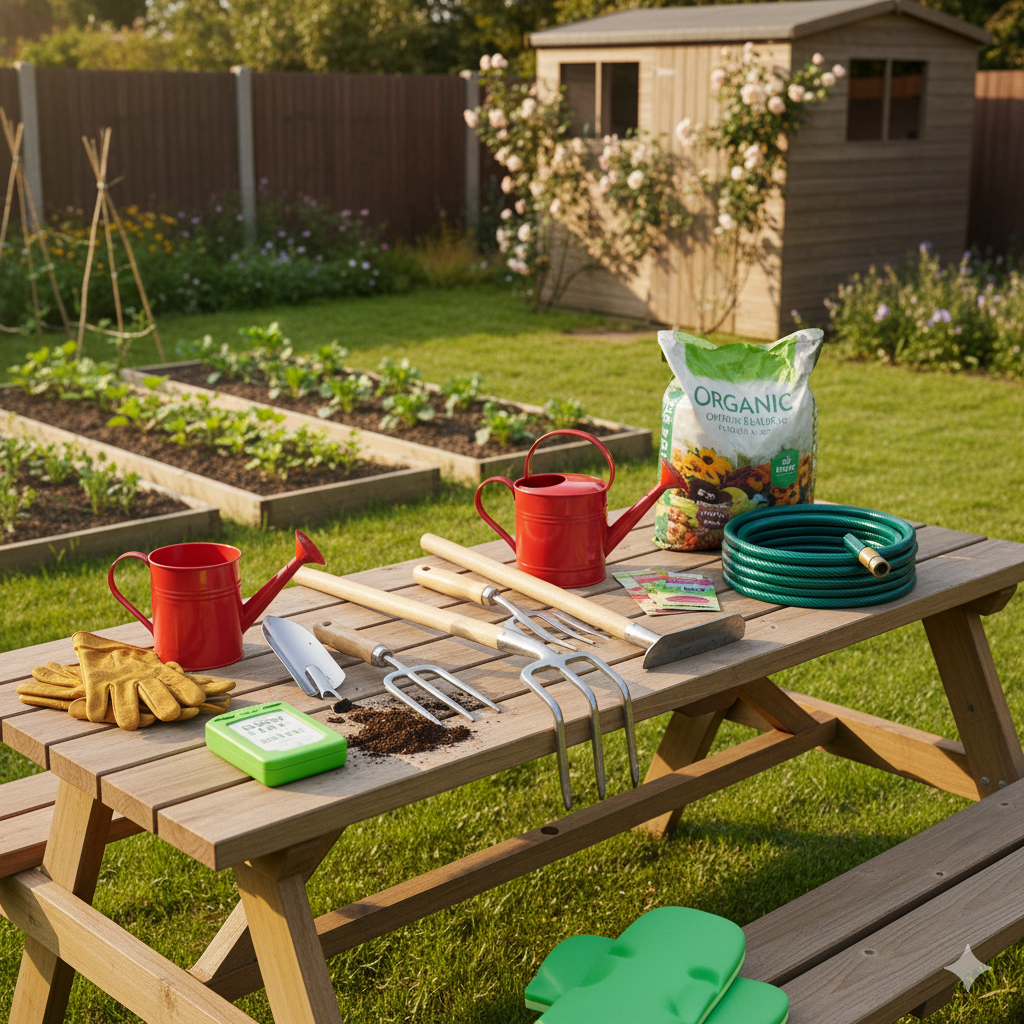
Planting a garden is rewarding, but the right tools make all the difference. Whether you’re a beginner or an expert, using the right equipment ensures a smoother, faster, and more enjoyable gardening experience. In this guide, we’ll cover the must-have tools and equipment for successful planting.
Essential Hand Tools for Planting
When you’re working in the garden, having the right hand tools makes all the difference. These tools are simple, lightweight, and perfect for tasks like digging, planting, and weeding.
1. Trowel
A trowel is one of the most essential tools in a gardener’s kit. It’s ideal for digging small holes, planting seeds or seedlings, and mixing soil. The trowel’s small size and pointed end make it easy to work in tight spaces.
-
How to use: Hold the handle with one hand and use the pointed end to dig into the soil. You can also use the flat side for scooping and transferring soil.
-
Tip: Choose a trowel with a comfortable handle to reduce strain on your hand.
2. Hand Fork
A hand fork (also called a mini fork or garden fork) is perfect for loosening soil, especially if your garden has compact or clay-heavy soil. It also helps with turning soil, breaking up clumps, and pulling out weeds.
-
How to use: Hold the handle firmly and push the fork into the soil. Rock the fork back and forth to loosen the soil.
-
Tip: A hand fork is great for preparing soil before planting, especially in smaller areas.
3. Pruners/Shears
Pruners or garden shears are essential for trimming back branches or stems. They help shape your plants and remove dead or damaged parts.
-
How to use: Use pruners to cut stems or branches cleanly. Make sure the blades are sharp for the best results.
-
Tip: Always clean your pruners after use to prevent the spread of diseases between plants.
4. Weeder
A weeder is designed specifically to help you remove weeds from your garden. This tool allows you to dig deep into the soil and pull weeds from the root, preventing them from coming back.
-
How to use: Insert the weeder under the weed’s root and gently pull it out.
-
Tip: Weeding is easier when done early in the morning or after rainfall, as the soil is softer and easier to work with.
5. Gloves
While gloves aren’t a tool, they are a crucial part of your gardening equipment. Garden gloves protect your hands from dirt, sharp objects, and potential irritants like thorns or chemicals.
-
How to use: Choose gloves that fit well and allow flexibility for easy movement.
-
Tip: Leather gloves are great for heavy tasks, while lighter gloves are suitable for more delicate gardening work.
Larger Tools for Garden Maintenance
In addition to hand tools, larger tools can help with heavier tasks like digging large holes, preparing soil, and moving materials around your garden.
1. Shovel
A shovel is used for digging large holes, transferring soil, and moving mulch. It’s essential when planting larger plants or trees.
-
How to use: Use the shovel’s flat edge to cut into the soil, and the curved shape to scoop and lift soil or compost.
-
Tip: Choose a shovel with a comfortable handle and a sharp edge for easier digging.
2. Hoe
A hoe is useful for breaking up soil, removing weeds, and leveling soil. It’s ideal for preparing large areas before planting, especially in vegetable gardens.
-
How to use: Hold the hoe’s handle with both hands and use it to scrape the soil back and forth, breaking up clumps and removing weeds.
-
Tip: A hoe with an adjustable handle makes it easier to use in different areas of your garden.
3. Rake
A garden rake helps level soil, spread mulch, and remove dead leaves and debris. It also breaks up clumps of soil.
-
How to use: Use the rake to gather leaves or soil into an even layer. It can also help spread compost and mulch evenly across the garden.
-
Tip: For large areas, a rake with a wide head speeds up the job and improves efficiency.
4. Wheelbarrow
A wheelbarrow is essential for transporting heavy materials such as soil, mulch, and compost around your garden. It saves time and effort.
-
How to use: Load your materials into the wheelbarrow, tilt it forward, and push it to the desired location.
-
Tip: Look for a wheelbarrow with sturdy, large wheels to handle rough terrain.
5. Garden Fork
A garden fork works well for turning soil, breaking up clumps, and mixing compost. It’s perfect for aerating compacted soil.
-
How to use: Insert the tines into the soil and push down to lift and loosen the soil.
-
Tip: Garden forks are excellent for improving air and water flow to the roots by breaking up compacted soil.
Tools for Soil Preparation and Planting
Soil preparation is a key part of planting, and having the right tools can make the process much easier and more effective.
1. Soil Tester
A soil tester is used to measure the pH and nutrient levels of your soil. This is crucial because plants thrive when the soil has the right pH balance.
-
How to use: Follow the instructions to collect samples from your soil, then measure its pH and nutrient levels.
-
Tip: A soil tester helps you determine if you need to add lime (to raise the pH) or sulfur (to lower the pH).
2. Soil Cultivator
A soil cultivator is designed to break up soil and mix in compost or other amendments. It’s great for preparing soil in small to medium-sized garden beds.
-
How to use: Hold the handle and push the tines into the soil to loosen it. Use a back-and-forth motion to mix in organic matter.
-
Tip: A soil cultivator is ideal for creating a smooth, even surface before planting.
3. Garden Tiller
A garden tiller is a powerful tool that helps prepare large plots of soil for planting. It can break up hard, compacted soil quickly, especially if you’re working with a large garden.
-
How to use: Walk behind the tiller as it digs into the soil, turning and aerating it. Some models allow you to adjust the depth of tilling.
-
Tip: A tiller is perfect for larger gardens but may not be necessary for smaller spaces.
The right tools and equipment are essential for successful planting. Whether you’re using simple hand tools like a trowel and pruners or larger equipment like shovels and wheelbarrows, the right tools will make gardening easier, faster, and more enjoyable. By investing in quality tools and learning how to use them properly, you’ll be well on your way to creating a beautiful and healthy garden.
FAQs
1. What tools do I need for planting a garden?
Essential tools include a trowel, hand fork, pruners, shovel, and garden gloves. These tools will help you with digging, weeding, trimming, and preparing soil for planting.
2. Can I plant without a garden tiller?
Yes, a garden tiller is helpful for large areas, but it’s not necessary. You can prepare smaller garden beds using a hand fork, shovel, or soil cultivator.
3. How do I choose the right tools for my garden size?
For small gardens, basic tools like a trowel, hand fork, and pruners should suffice. Larger gardens may require a shovel, wheelbarrow, or even a garden tiller to make the work easier.
4. Can I use garden tools for both vegetables and flowers?
Yes, most garden tools are versatile and can be used for both vegetables and flowers. However, some plants may require specialized tools, such as specific pruning shears for delicate flowers.