
Introduction
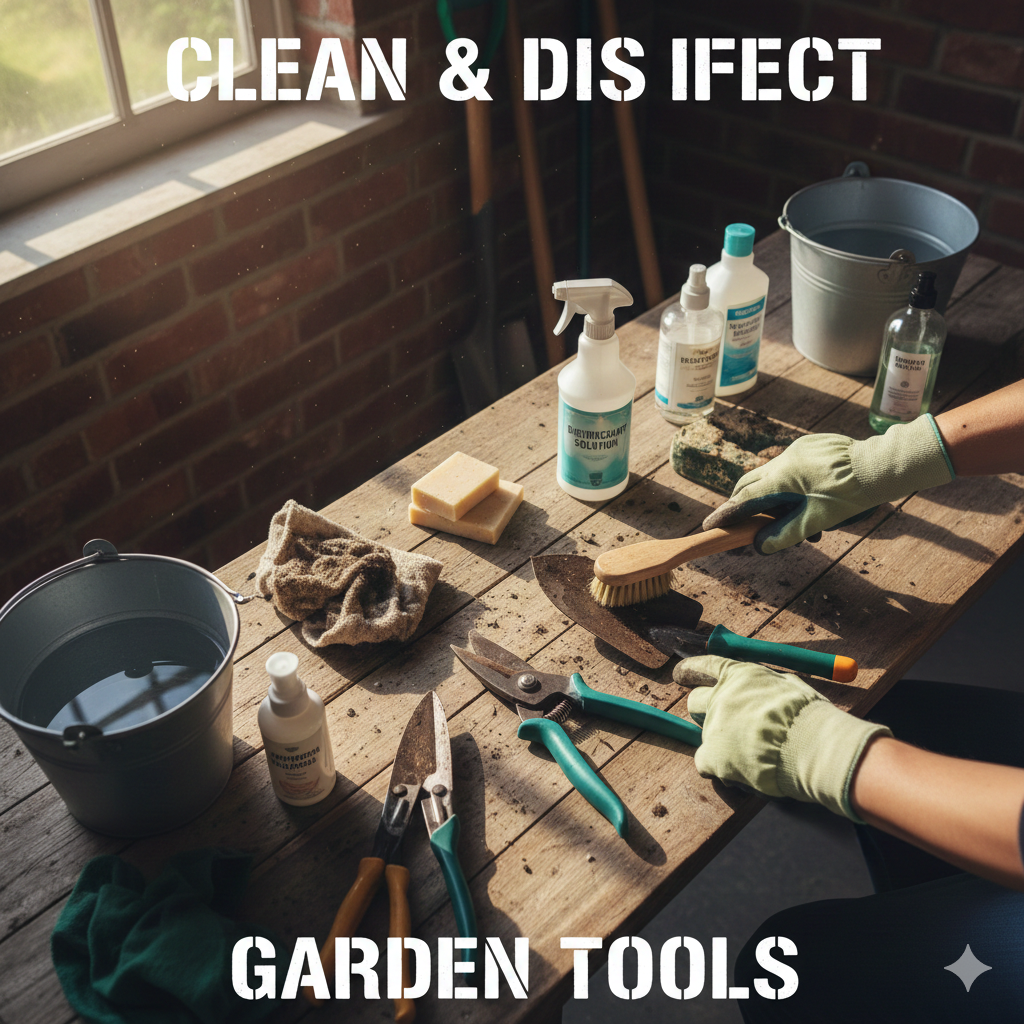
Garden tools carry more than dirt. They can spread germs and diseases between plants. Soil, sap, and rust can damage tools, making them harder to use over time. Cleaning and disinfecting tools keeps them sharp and helps them last longer. It also protects plants and makes gardening safer. Even small tools like trowels, shears, and pots benefit from regular care. This guide shows practical steps to clean, disinfect, and maintain your tools for better gardening results.
Why should I clean my tools and containers?
Cleaning tools prevents diseases from spreading between plants. Soil and plant debris can carry harmful germs that affect new growth. Regular cleaning also keeps tools working smoothly. Dirt, sap, and rust can make cutting or digging harder and wear tools faster. Well-maintained tools last longer and save money on replacements. Simple care ensures every gardening session is safer and more effective.
Prevents disease from moving between plants
Plants can catch diseases from contaminated tools. Pruning or cutting with dirty shears spreads germs quickly. Cleaning reduces the risk and protects healthy plants.
Helps tools work better and last longer
Dirt and rust dull blades and block moving parts. Cleaning restores sharpness and smooth operation. Tools stay reliable and last through many seasons.
When should I clean your tools and containers?
Keeping tools clean is not a one-time task. Doing it regularly prevents problems before they start. Tools get dirty every time you prune, trim, or handle plants. Waiting too long lets soil, sap, and germs build up. Cleaning before storage also keeps tools in good condition during the off-season.
After trimming, pruning, or handling sick plants
Tools pick up germs from infected plants. Cleaning right after use stops diseases from spreading to other plants. Even a quick rinse and wipe can make a difference.
Before storing tools for the season
Long-term storage can let dirt and moisture cause rust. Cleaning tools before putting them away protects metal parts and keeps them ready for the next season.
Clean items well before disinfecting
Disinfectants work best on clean surfaces. Tools covered in soil, sap, or plant debris will not get fully disinfected. Taking a few extra minutes to scrub and rinse first makes the disinfecting step more effective.
Remove soil, sap, and plant debris
Start by brushing off loose dirt. Scrape away hardened sap or mud with a cloth or small brush. Make sure no residue remains in crevices or joints.
Wash with mild soap and warm water
Fill a bucket with warm water and a small amount of soap. Soak tools briefly, then scrub them clean. Rinse well and dry completely before using any disinfectant.
How to clean with effective disinfectants
Cleaning removes visible dirt, but disinfecting kills germs that can harm plants. Using the right solution keeps tools safe and plants healthy. There are a few options, each with its own method and precautions.
Use bleach or alcohol for strong disinfection
A simple solution of bleach and water works well for metal tools. Mix one part bleach with nine parts water. Dip the tool or wipe it carefully, leaving it on the surface for a few minutes. Rinse afterward and dry completely to avoid rust. Alcohol works well for quick disinfection. Soak a cloth in 70 percent alcohol and wipe the blade and handles. Alcohol evaporates quickly, leaving no residue.
Use commercial garden-safe disinfectants
Some products are designed specifically for gardening. They may include sprays or concentrated solutions. Follow the instructions on the label carefully. These disinfectants can be safer for certain tools or surfaces, like plastic pots, that bleach might damage. Using a garden-safe disinfectant helps protect plants and tools without unnecessary risk.
How to Clean Your Garden Tools
Keeping tools in good condition requires a consistent routine. Cleaning alone is not enough if rust or sticky sap is allowed to build up. Following a step-by-step process ensures all tools remain effective.
Steps to cleaning garden tools
Start by removing dirt with a brush or cloth. Wash tools in warm, soapy water and rinse thoroughly. Dry them immediately to prevent rust. Apply disinfectant as described earlier, then dry again. After cleaning, apply a thin layer of oil to metal parts. This prevents rust and keeps tools moving smoothly.
Extra care for cutting tools
Shears, pruners, and knives need special attention. Open and close blades to clean the pivot and joints. Check for rust spots and remove them with steel wool. Keep blades sharp, because dull blades tear plants and make work harder. Oil the moving parts after cleaning and disinfecting.
What products do you need?
Having the right supplies makes cleaning faster and more effective. You do not need expensive tools, just practical items you can find easily.
Basic cleaning tools like brushes and cloths
A stiff brush removes hardened dirt and sap. Cloths help wipe blades and handles clean. A small toothbrush can reach tight spaces. Keeping a bucket of warm, soapy water ready makes washing easier.
Disinfectants and protective oils
Use bleach, alcohol, or a commercial garden disinfectant. After cleaning, apply a light coat of vegetable oil or machine oil to metal surfaces. Oil protects metal from rust and keeps joints smooth. Having these products on hand saves time and keeps tools ready for use.
Why is it important to clean your garden tools?
Regular maintenance is not just about looks. Clean tools improve efficiency, protect plants, and extend the life of your equipment.
Protects plants from hidden germs
Even small amounts of soil can carry fungi, bacteria, or viruses. Using dirty tools can spread disease quickly. Cleaning and disinfecting reduces this risk and keeps plants healthy.
Reduces rust and metal damage
Metal tools exposed to moisture and soil without cleaning can rust or corrode. Rust weakens blades, makes handles stick, and shortens tool life. Regular cleaning and oiling prevent these problems and keep tools reliable.
Conclusion
Clean tools make gardening safer and easier. Taking time to wash, disinfect, and maintain your equipment pays off. Tools last longer, work better, and protect your plants from disease. Even small habits, like wiping blades after each use or oiling joints, create a big difference over time. By following these simple steps, your garden tools will remain ready for use and your plants will thrive.
FAQs
Q1: How often should I disinfect my garden tools?
Disinfect tools after cutting sick plants and at the end of the season. Quick wipes between uses help too.
Q2: Can I use vinegar as a disinfectant?
Vinegar can help remove dirt and mild germs, but it is weaker than bleach or alcohol for full disinfection.
Q3: Why do my tools rust after cleaning?
Tools rust if left wet or stored without oil. Dry completely and apply a light coat of oil to prevent rust.
Q4: Should I clean plastic pots and trays too?
Yes, plastic can carry bacteria or fungi. Wash with soap and warm water, then disinfect with a safe solution.