
Introduction
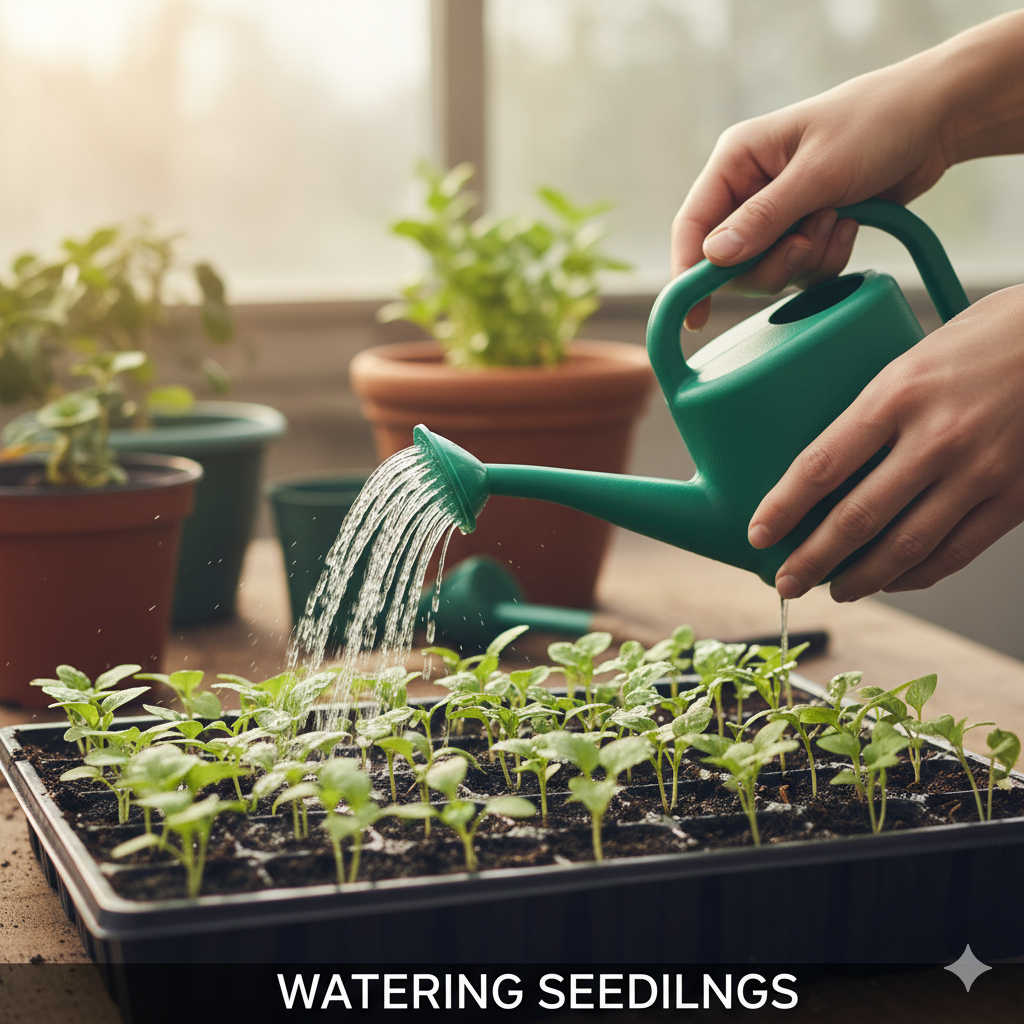
Seedlings need careful watering to grow strong. Their stems are soft, and roots stay near the surface. Water that is too strong can wash away soil or damage tiny leaves. Too little water dries them quickly. Using the right tool makes watering easier and keeps plants healthy. Even beginners can help seedlings thrive with steady care and attention.
Understanding the Needs of Seedlings
Why young plants need gentle watering
Seedlings are small and delicate. Their stems bend easily, and their roots are shallow. Water that comes out too forcefully can knock them over or wash soil away. Gentle watering ensures roots stay in place, soil stays intact, and leaves remain healthy.
Even small splashes of water can disturb tiny seedlings, especially when planted in shallow trays. Using tools that deliver a soft, steady flow reduces the risk of damage. In many cases, a fine spray works better than a heavy pour, especially in the first few weeks after germination.
Common watering mistakes beginners make
Beginners often overwater or underwater seedlings without realizing it. Pouring too much water at once can drown roots and encourage fungus or mold. On the other hand, skipping watering checks leaves seedlings thirsty and weak.
Another common mistake is watering with strong streams from a regular hose or a large watering can. Young seedlings cannot tolerate this, and the soil can wash away easily. Some beginners also rely on schedules instead of checking soil moisture, which can result in overwatering or drying out.
How soil type affects watering tools
Soil type changes how seedlings absorb water. Sandy soil drains quickly, which means seedlings may need more frequent, gentle misting. Clay soil retains water longer, so a slower, lighter pour is often enough.
Matching your watering tool to the soil type is important. For example, a misting system works well with sandy soil because it spreads water evenly without flooding. A small watering can works better for heavier soils because it allows careful control and avoids puddles. Understanding soil and moisture needs ensures seedlings get the water they require without stress.
Popular Tools for Watering Seedlings
Watering can – simple and accurate
A small watering can with a fine rose head gives steady, gentle water. It works indoors and outdoors and allows beginners to control the flow. Watering cans come in various sizes. Small cans are perfect for trays with delicate seedlings, while larger cans help when caring for more plants.
Using a watering can also lets you direct water exactly where it is needed. This precision reduces soil disturbance and ensures roots absorb the water fully.
Spray bottle – safe for soft sprouts
Spray bottles deliver a light mist, which is ideal for tiny seedlings. They prevent soil from washing away and protect leaves from damage. Spray bottles are inexpensive and easy to refill.
They are particularly useful for the first stage of growth when seeds have just sprouted. Light misting helps maintain moisture without overwatering, which keeps seedlings healthy and prevents root rot.
Misting system – keeps moisture even
Misting systems are often used in greenhouses or seed trays. They water multiple seedlings at once and maintain consistent soil moisture.
This system works well for plants that need uniform watering. Misting systems can reduce the risk of overwatering because the flow is gentle and controlled. They also save time, especially when dealing with many seedlings.
Drip irrigation – best for many seedlings
Drip irrigation lines deliver water slowly to each tray or pot. They prevent overwatering and reduce soil splashing. This method works best for larger batches of seedlings.
Drip systems save effort and ensure water reaches roots evenly. They are particularly helpful in commercial settings or when caring for dozens of seedlings at once.
Self-watering trays – easy and low-maintenance
Self-watering trays hold water beneath the soil. Plants draw water as needed through capillary action.
This setup reduces daily watering chores and prevents accidental overwatering. Self-watering trays keep soil consistently moist and are ideal for beginners or busy gardeners.
How to Choose the Right Watering Tool
Match tool with seedling size and tray depth
Tiny seedlings in shallow trays need misting or small watering cans. Larger seedlings in bigger pots can handle drip lines or bigger cans. Matching the tool to size prevents damage and ensures seedlings get water efficiently.
Pick gentle water flow and fine nozzles
Tools that produce small droplets protect stems and leaves. Avoid tools that create strong streams, which can wash soil away or break delicate stems. Fine nozzles give precise control and improve watering results.
Look for comfort and refill convenience
Watering can be tiring if tools are heavy or refill frequently. Lightweight, easy-to-handle tools make the task less stressful, especially when watering multiple trays. Comfortable handles and manageable sizes allow beginners to care for seedlings longer without fatigue.
Step-by-Step Guide to Water Seedlings Safely
Water early morning or late afternoon
Watering at cooler times reduces evaporation. Seedlings absorb water better when soil is cooler, and leaves avoid sunburn.
Check moisture before adding more
Press the soil lightly with your finger. Dry soil means it is time to water. Damp soil means you can wait. Checking before watering prevents both overwatering and underwatering.
Spot signs of over or under-watering
Yellowing leaves, soggy soil, or mold indicate overwatering. Dry, brittle leaves suggest under-watering. Paying attention to these signals helps maintain healthy seedlings.
Maintenance and Cleaning of Watering Tools
Rinse tools after each use
Rinse watering cans, spray bottles, and drip lines to remove leftover soil. Clean tools reduce disease risk.
Use mild soap to remove residue
Soap removes stubborn dirt or algae. Avoid strong chemicals that can harm seedlings.
Keep nozzles unclogged for smooth flow
Check spray heads and drip holes regularly. A small pin or brush clears blockages and keeps water flowing evenly.
Final Tips for Healthy Seedling Growth
Combine regular watering with sunlight and airflow
Even the best watering does not replace light and ventilation. Seedlings grow stronger with both.
Gradually increase water pressure as seedlings grow
Older seedlings have stronger stems and deeper roots. You can water a bit faster without damaging them.
Conclusion
Watering seedlings requires careful attention and the right tools. Gentle, steady watering keeps plants strong and disease-free. Cleaning tools regularly and checking soil moisture helps seedlings grow healthier. Small habits make a big difference in their growth. Even beginners can achieve good results by paying attention and using the right techniques.
FAQs
What is the best tool for watering small seedlings?
A spray bottle or small watering can with a fine rose head works best.
How often should seedlings be watered?
Water once the top layer of soil starts to dry, usually once or twice a day.
Can I use a regular watering can for seedlings?
Yes, but use a fine nozzle to avoid damaging tender stems.
Should seedlings be watered from above or below?
Bottom watering is safer for tiny seedlings. It prevents stem rot and fungus.
What type of water is best for seedlings?
Use room-temperature water that is free from chlorine.